Publications
Selected peer-reviewed work and research outputs
Giving a cold shoulder: why and how do we conserve farmland herpetofauna in India?
Ghosh D
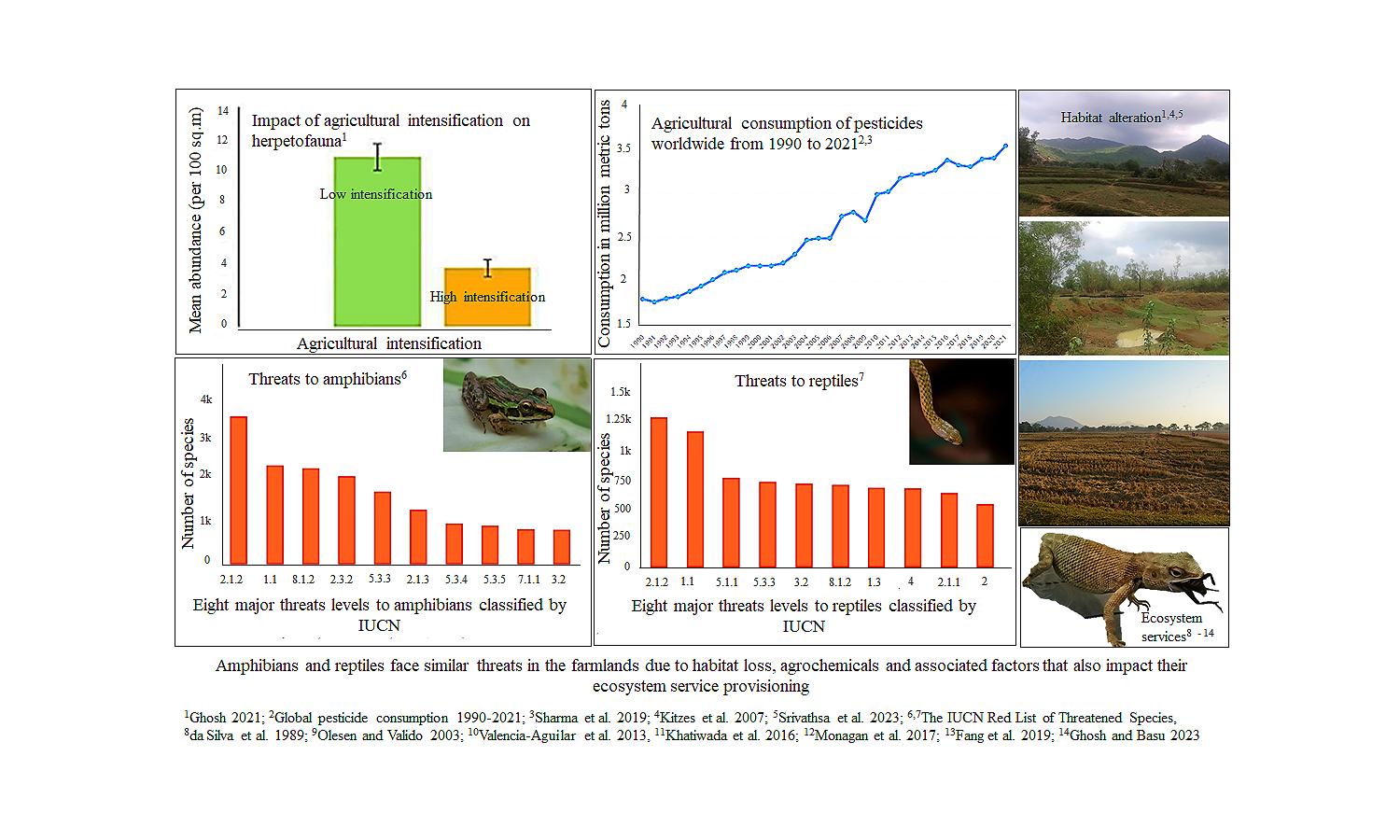
Numerous studies highlight the adverse impacts of agriculture on farmland biodiversity. Balancing increased agricultural production along with biodiversity conservation is a critical global challenge, especially in India. Amphibians and reptiles face the greatest threats from agriculture. This perspective article highlights the need to conserve amphibian and reptile diversity in farmlands, presenting evidence of their decline and emphasizing their ecological importance.
Does agricultural intensification impact pest regulation service by frogs in a natural multi-trophic system?
Ghosh D, Basu P
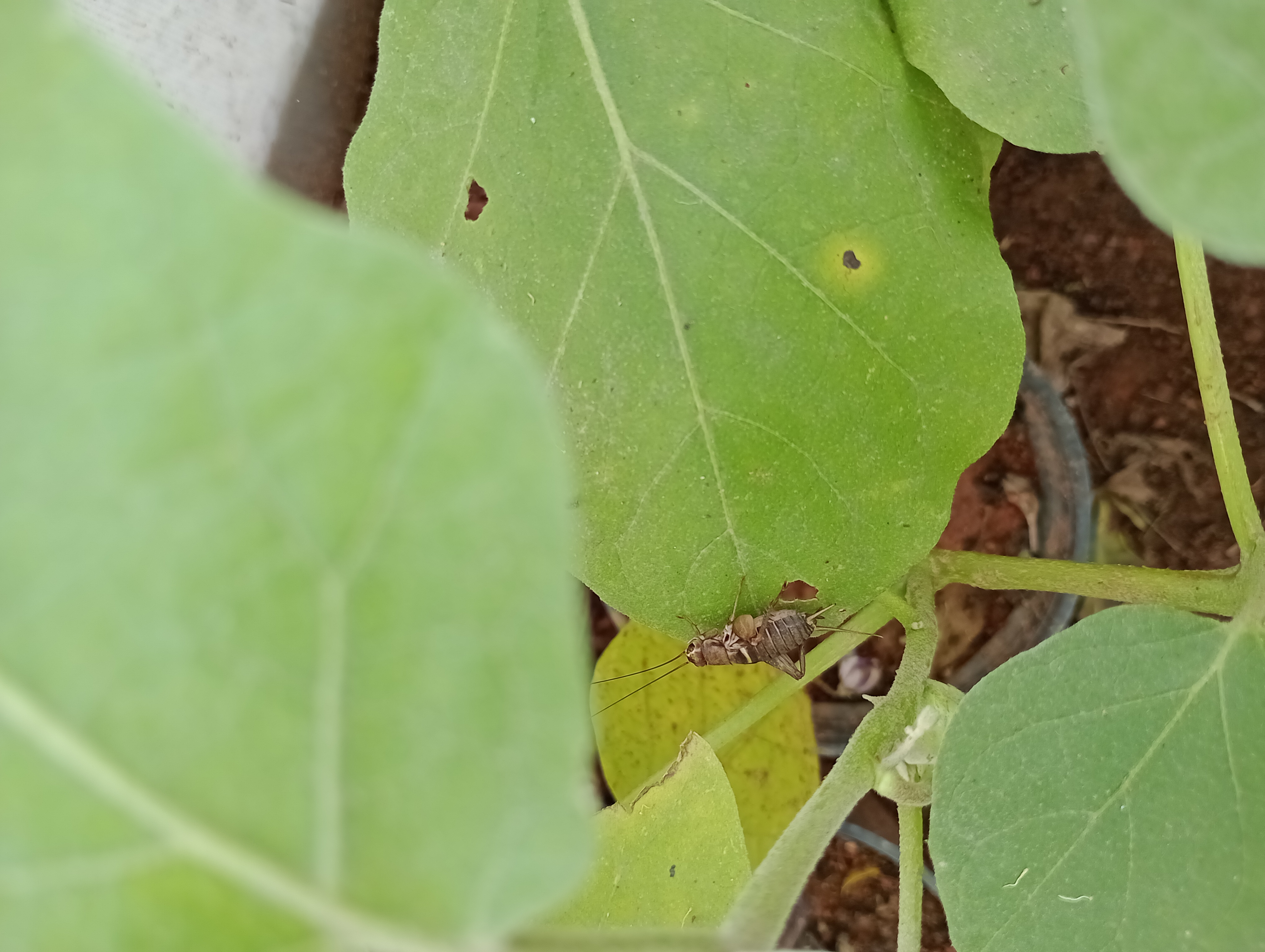
Experimental research linking biodiversity loss to ecosystem service decline is rare. This study demonstrated how reduced frog densities—caused by agricultural intensification—can alter multi-trophic interactions, with limited pest control but unintended suppression of natural arthropod predators.
Unsung heroes: What does herpetofauna do for us?
Ghosh D, Aditya V, Aravind N A
What are we saving? The amphibians and reptiles of the rice paddies in Balasore, India
Ghosh D
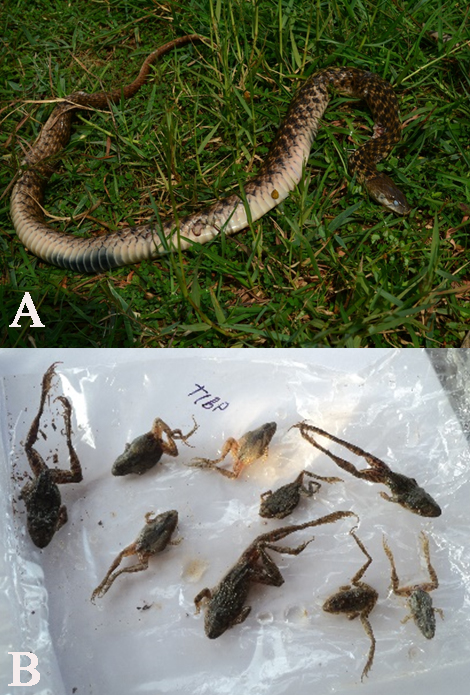
Agricultural landscapes, especially rice paddies, are critical but under-studied habitats for herpetofauna. This project aims to document amphibian and reptile species diversity in these environments, providing baseline data necessary for effective conservation efforts both outside and inside protected areas. By integrating ecological sampling with community knowledge, the project will highlight the conservation potential of agricultural lands.
Clever pest control? The role of cognition in biological pest regulation
Ghosh D, John EA, Wilkinson A
Factors influencing herpetofauna abundance and diversity in a tropical heterogeneous landscape mosaic
Ghosh D, Basu P
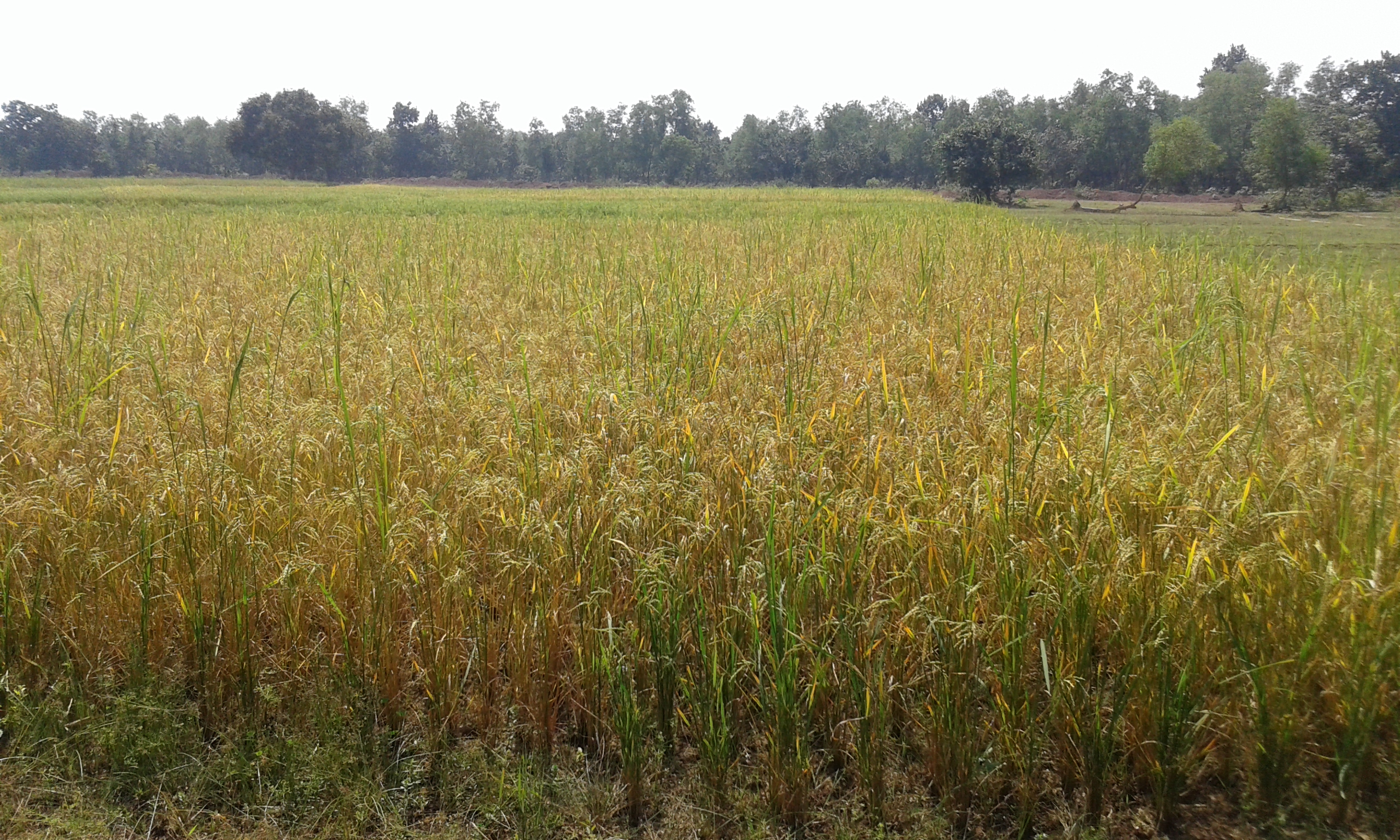
Amphibian and reptile diversity in agricultural landscapes is shaped by multiple factors operating at different spatial scales. Amphibians are more sensitive to agricultural intensification across both patch and landscape levels, while reptiles were influenced more by proximity to forests and fallow lands. These scale-specific patterns offer critical insights for targeted herpetofauna conservation in farming regions.